System surfaces
Use light and context photos to inspect accessible areas. Compare the same locations shown before work when possible.
Verification reading 43
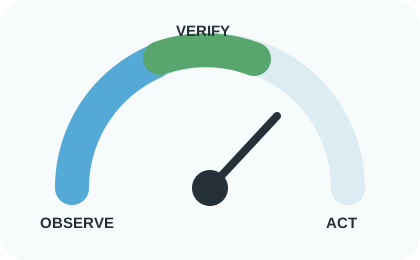
Review system surfaces, then connect the observation to its source, system location, and a written scope.
DIRECT ANSWER
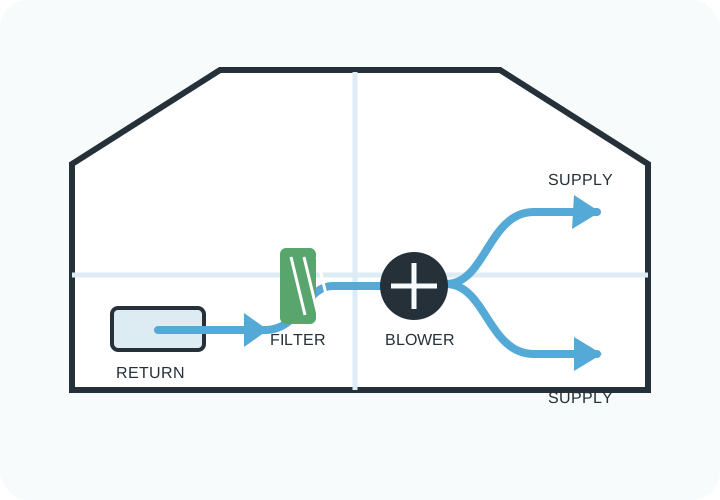
EPA says a thorough visual inspection is the best way to verify cleanliness. The final check should cover the components in the agreement and the condition of the home, not only a single dramatic before-and-after image. Ask to see representative return and supply interiors, plenums, blower area, coil faces when included, drain pan, registers, filters, and access closures.
Cleanliness is not the only result. Fiberglass should remain intact, coil fins should not be crushed, registers should be secure, access doors should be airtight, rooms should be clean, and the system should operate normally. Record any item that needs correction before final acceptance.
READ THE AIR PATH
Use light and context photos to inspect accessible areas. Compare the same locations shown before work when possible.
Check flex duct, fiberglass, dampers, insulation, panel seals, and coil fins for damage or poor reassembly.
Walk floors and furnishings, check every removed cover, confirm the filter, and observe normal heating and cooling operation.
USE THIS SEQUENCE
Mark each included component as shown, not shown, satisfactory, or needing correction.
Check fasteners, seals, insulation, and leakage at safe accessible points.
Confirm the blower, thermostat response, registers, noise, and condensate behavior.
Save estimates, change orders, products, photos, license checks, and correction notes.
CALL PATH
Sunnyvale Airflow Guide is an independent lead-generation website, not an air duct cleaning company. Calls may connect you with an independent service provider. Service availability, qualifications, pricing, and terms must be confirmed directly with that provider.