Inspection and protection
Confirm evidence, materials, rooms, equipment, exhaust, and existing damage before hoses are placed.
Process reading 42
Review inspection and protection, then connect the observation to its source, system location, and a written scope.
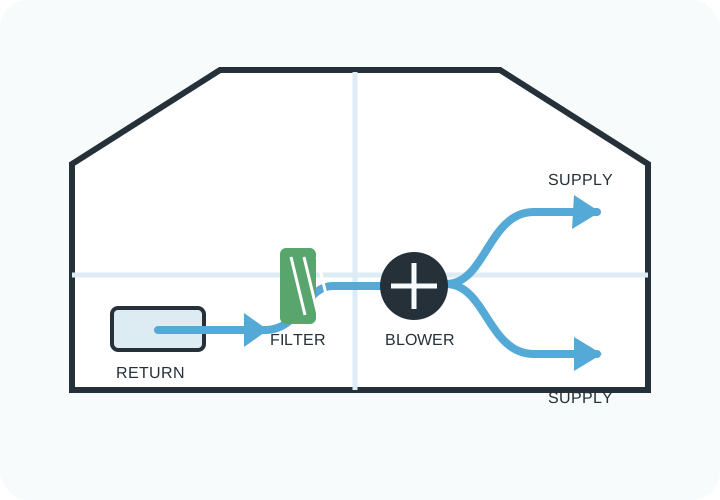
DIRECT ANSWER
A careful visit starts with inspection and scope confirmation, not immediate drilling or spraying. The provider should protect the home, control equipment power, establish collection, access the agreed sections, loosen and remove deposits with material-appropriate tools, address included components, close access points, clean rooms, and demonstrate the result.
Methods differ, but the sequence should remain understandable. Ask for a pause before any finding changes the written scope. If a mechanical defect, wet porous material, suspected asbestos-containing material, or major pest contamination appears, another qualified trade may need to take over.
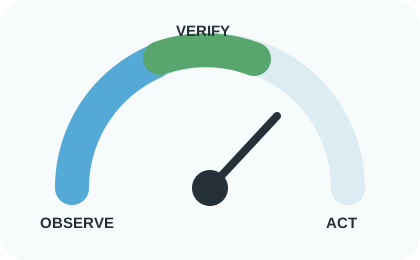
READ THE AIR PATH
Confirm evidence, materials, rooms, equipment, exhaust, and existing damage before hoses are placed.
Negative pressure, contact vacuuming, brushes, or air tools should work as a controlled system. Watch for unsealed registers or visible room release.
Access openings, panels, grilles, insulation, and filters should be restored. The system should be checked in normal modes after safe reassembly.
USE THIS SEQUENCE
Match the technician's work order to your agreement.
Review evidence, options, and price before added work.
Ask which zone is being cleaned and where debris is collected.
Review photos, accessible surfaces, closures, room cleanup, and operation.
CALL PATH
Sunnyvale Airflow Guide is an independent lead-generation website, not an air duct cleaning company. Calls may connect you with an independent service provider. Service availability, qualifications, pricing, and terms must be confirmed directly with that provider.