Blower-linked timing
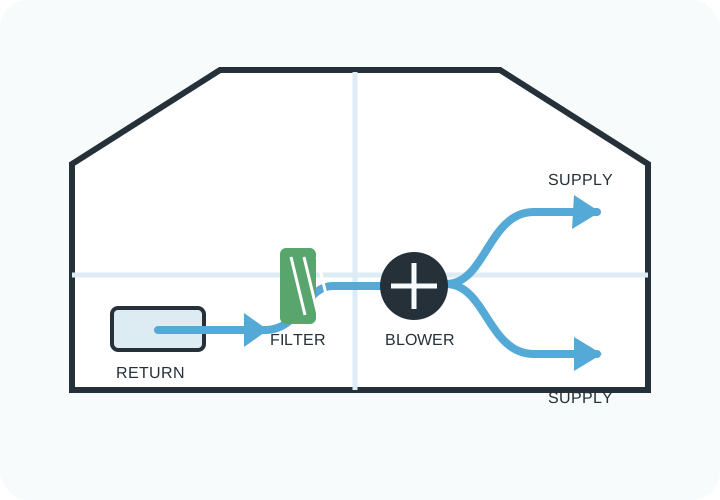
Record whether the odor begins immediately at fan startup, grows during cooling, or remains when the system is off. This helps separate the system from a room source.
Odor reading 11
Review blower-linked timing, then connect the observation to its source, system location, and a written scope.
DIRECT ANSWER
A musty odor that appears with the blower can justify looking for moisture in the air path, but smell cannot identify mold or locate the source. A wet drain pan, condensate problem, damp filter, internal liner, nearby crawl space, room material, or outdoor air entry can create similar impressions.
EPA emphasizes moisture control because cleaning a surface without correcting water or condensation allows the condition to return. Ask an inspector to trace timing and moisture evidence rather than selling a deodorizer or sanitizer as the first step.

READ THE AIR PATH
Record whether the odor begins immediately at fan startup, grows during cooling, or remains when the system is off. This helps separate the system from a room source.
Check accessible areas for a wet filter, standing water, staining, or a drain issue. Do not open electrical or sealed equipment panels.
A provider should not label an odor as toxic mold without evidence. Positive identification can require qualified evaluation or laboratory analysis.
USE THIS SEQUENCE
Record room, system mode, outdoor conditions, and duration.
Look at the filter, return grille, and area around the equipment.
Require a cause before approving a treatment.
Do not substitute fragrance, ozone, or an unexplained spray for source correction.
CALL PATH
Sunnyvale Airflow Guide is an independent lead-generation website, not an air duct cleaning company. Calls may connect you with an independent service provider. Service availability, qualifications, pricing, and terms must be confirmed directly with that provider.