Identification
Photograph the location and ask how the conclusion was reached. A settling plate sold at the door does not identify the material or establish the source.
Moisture reading 07
Review identification, then connect the observation to its source, system location, and a written scope.
DIRECT ANSWER
A stain, dust pattern, or dark patch is not a positive mold identification. EPA says an expert may need to determine whether a substance is biological growth. Ask the provider to show the material and the moisture condition that allowed it to develop.
Material matters. Visible growth on bare hard surfaces may be evaluated for physical removal after the moisture source is corrected. Wet or visibly moldy fiberglass duct board or liner may need replacement because porous material can be difficult to clean effectively. Do not let a quick visual claim turn into an unsourced health diagnosis.

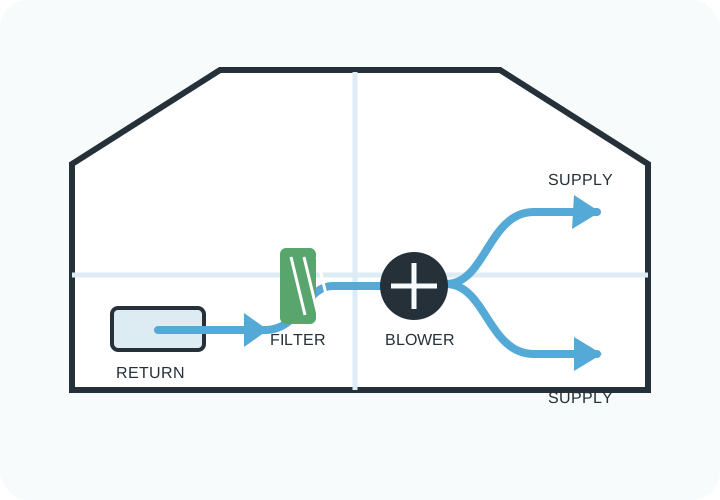
READ THE AIR PATH
Photograph the location and ask how the conclusion was reached. A settling plate sold at the door does not identify the material or establish the source.
Look for a drain-pan problem, roof or plumbing leak, condensation, humidifier issue, or wet insulation. The cause must be corrected to reduce recurrence.
Bare metal, internal fiberglass liner, and flex duct require different decisions. Aggressive cleaning can damage porous or fragile surfaces.
USE THIS SEQUENCE
Do not brush, blow, or scrape it into occupied air.
Ask for a component name, duct material, photos, and a source assessment.
Use appropriate mold, moisture, or HVAC expertise when identification or hidden damage is uncertain.
Require a plan for leaks, drainage, condensation, or wet material.
CALL PATH
Sunnyvale Airflow Guide is an independent lead-generation website, not an air duct cleaning company. Calls may connect you with an independent service provider. Service availability, qualifications, pricing, and terms must be confirmed directly with that provider.