Brush contact
Brush diameter, stiffness, rotation, and travel must fit the duct. Oversized or stiff tools can catch fasteners, tear liners, or damage dampers.
Method reading 25
Review brush contact, then connect the observation to its source, system location, and a written scope.
DIRECT ANSWER
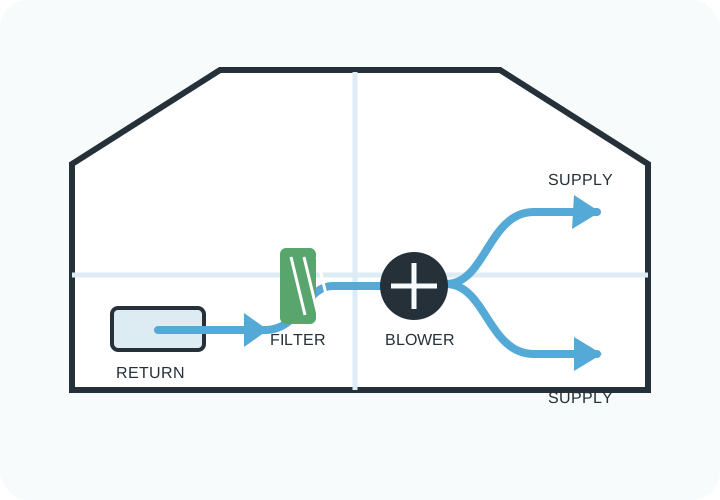
Brushes and compressed-air tools loosen deposits; contact vacuums remove material at the surface; a negative-air collector draws debris toward a controlled exit. These tools can complement one another, but the safest combination depends on material, diameter, access, bends, and condition.
EPA specifically cautions that fiberglass duct board and internally lined surfaces need soft-bristled brushes. Flexible duct can also be damaged by aggressive tools. Ask the provider to name the tool that will touch each section and what evidence justifies agitation rather than inspection or replacement.

READ THE AIR PATH
Brush diameter, stiffness, rotation, and travel must fit the duct. Oversized or stiff tools can catch fasteners, tear liners, or damage dampers.
Air whips can move loose material around bends, but airflow must lead to collection. Uncontrolled blowing can release debris at room registers.
Direct surface vacuuming can help accessible equipment or boots. The nozzle, filtration, and surface protection still need to match the component.
USE THIS SEQUENCE
Do not accept one tool description for unknown mixed construction.
Include diameter, travel, pressure, and fragile features.
Confirm the airflow path before debris is loosened.
Review liners, flex duct, dampers, covers, and access points after work.
CALL PATH
Sunnyvale Airflow Guide is an independent lead-generation website, not an air duct cleaning company. Calls may connect you with an independent service provider. Service availability, qualifications, pricing, and terms must be confirmed directly with that provider.