Entry point
Look for torn flex duct, loose joints, damaged screens, or openings near returns and equipment. Seal only after the pest problem and any trapped animals are addressed.
Contamination reading 08
Review entry point, then connect the observation to its source, system location, and a written scope.
DIRECT ANSWER
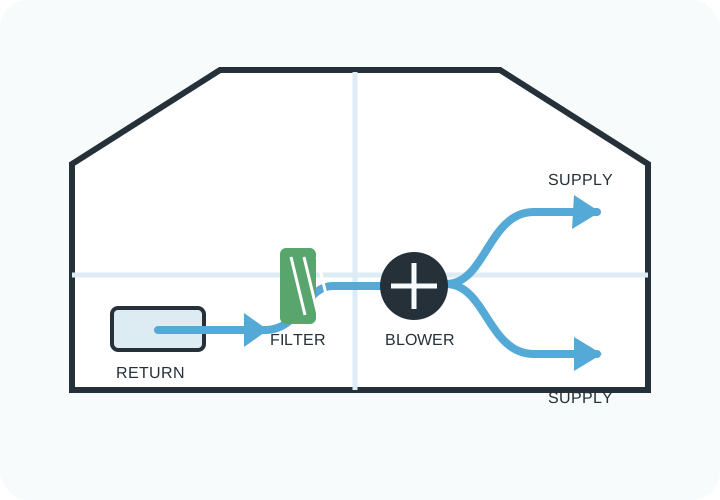
EPA lists vermin infestation as a condition that can support duct cleaning, but debris removal is only one part of the job. Rodents, insects, or birds can enter through damaged returns, disconnected flex duct, crawl-space openings, roof penetrations, or poorly screened terminations. If the route stays open, cleaned sections can be contaminated again.
Start with safe pest identification and exclusion. Then assess damaged duct material, droppings, nesting, odor, and accessible equipment. Some materials may need replacement. Ask how debris will be contained so it is not blown into occupied rooms.

READ THE AIR PATH
Look for torn flex duct, loose joints, damaged screens, or openings near returns and equipment. Seal only after the pest problem and any trapped animals are addressed.
Gnawing, urine, nesting, and compressed insulation can make replacement more appropriate than brushing. Ask for photos of each affected run.
Pest control, exclusion, contaminated-material handling, duct work, and equipment inspection may require coordinated trades. One contractor should not quietly claim every specialty.
USE THIS SEQUENCE
Do not begin cleaning while entry and infestation remain unresolved.
Identify returns, supplies, plenums, insulation, and equipment that show evidence.
Require a reason for each decision.
Inspect repairs, access closures, and the air path before normal operation.
CALL PATH
Sunnyvale Airflow Guide is an independent lead-generation website, not an air duct cleaning company. Calls may connect you with an independent service provider. Service availability, qualifications, pricing, and terms must be confirmed directly with that provider.