Amount and distribution
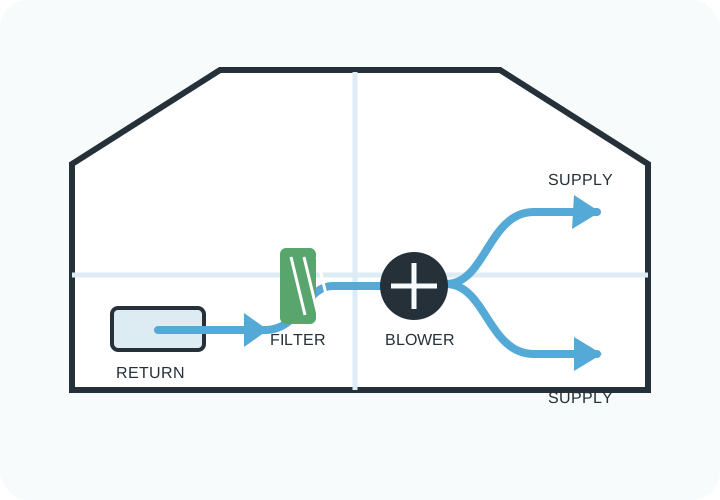
Heavy debris throughout several connected sections is different from surface dust at one register boot. A useful inspection samples return, equipment, and supply locations.
Particle reading 09
Review amount and distribution, then connect the observation to its source, system location, and a written scope.
DIRECT ANSWER
A light layer of dust that adheres to duct surfaces is common, and EPA says it is not known to present a health risk by itself. The decision changes when deposits are heavy enough to obstruct sections, clearly reflect a contamination event, or release particles into rooms.
Ask for scale and location. A close photograph without a reference can make a small deposit look dramatic. Request a wider view, the component name, and an explanation of how the material reached that spot. Construction dust, a missing filter, a return leak, or a pest event can suggest different remedies.
READ THE AIR PATH
Heavy debris throughout several connected sections is different from surface dust at one register boot. A useful inspection samples return, equipment, and supply locations.
Particles visibly leaving supply registers are stronger evidence than a finger wiped across a vent. Record the event without putting powder or test material into the system.
A dirty return cavity, filter bypass, renovation event, or damaged duct can refill a cleaned system. Pair removal with source correction.
USE THIS SEQUENCE
Include a ruler, register edge, or component view for scale.
Avoid deciding from the easiest opening only.
Dust, insulation fibers, pest debris, and construction residue require different handling.
Define what accessible surfaces and documentation should show afterward.
CALL PATH
Sunnyvale Airflow Guide is an independent lead-generation website, not an air duct cleaning company. Calls may connect you with an independent service provider. Service availability, qualifications, pricing, and terms must be confirmed directly with that provider.