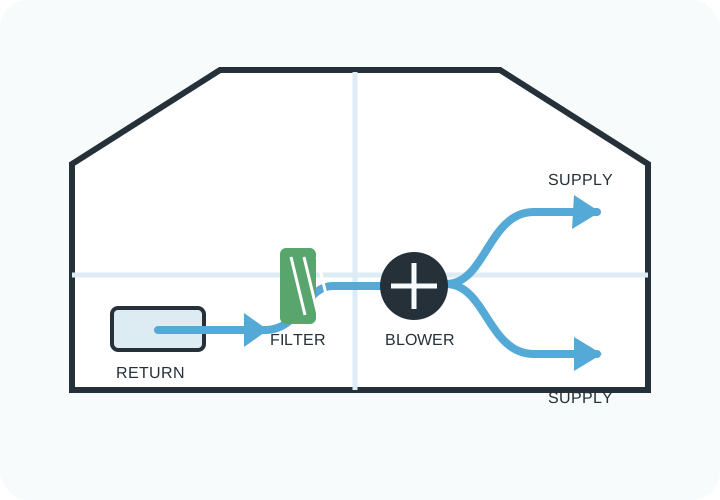
System map 01
What a complete air duct cleaning can include
Review evidence before equipment, then connect the observation to its source, system location, and a written scope.
SCOPE BOUNDARIES
Define cleaning, repair, and replacement separately
A cleaning agreement should distinguish removal of deposits from mechanical repairs and construction changes. A crushed flex run, disconnected joint, failed blower, clogged condensate line, wet insulation, or damaged internal liner will not be restored by vacuuming. If the inspection expands into repair, replacement, or equipment alteration, ask who is qualified to do that work and whether California licensing or a Sunnyvale permit applies.
Keep products separate too. A chemical biocide, internal sealant, ozone-producing device, upgraded filter, UV device, or deodorizer is not an automatic part of air duct cleaning. Each item needs its own evidence, exact product information, material compatibility, price, and approval. You should be able to decline an add-on without leaving the system unsafe or open.
PRICE FACTORS WITHOUT A MADE-UP QUOTE
Why written scopes matter more than a single number
System count, return and supply layout, duct material, access, contamination type, equipment components, occupied-space protection, collector placement, access-port work, and repair findings can change a proposal. That is why a price copied from another home or a competitor page does not tell you what your system requires.
Ask every provider to price the same defined scope. Separate inspection, cleaning, mechanical service, products, access, repairs, replacement, disposal, taxes, and optional work. Require written approval before changes. A useful comparison shows what is included, what is excluded, what evidence supports the work, and how the result will be demonstrated.